Blog
What Landscape Photography Taught Me About Seeing
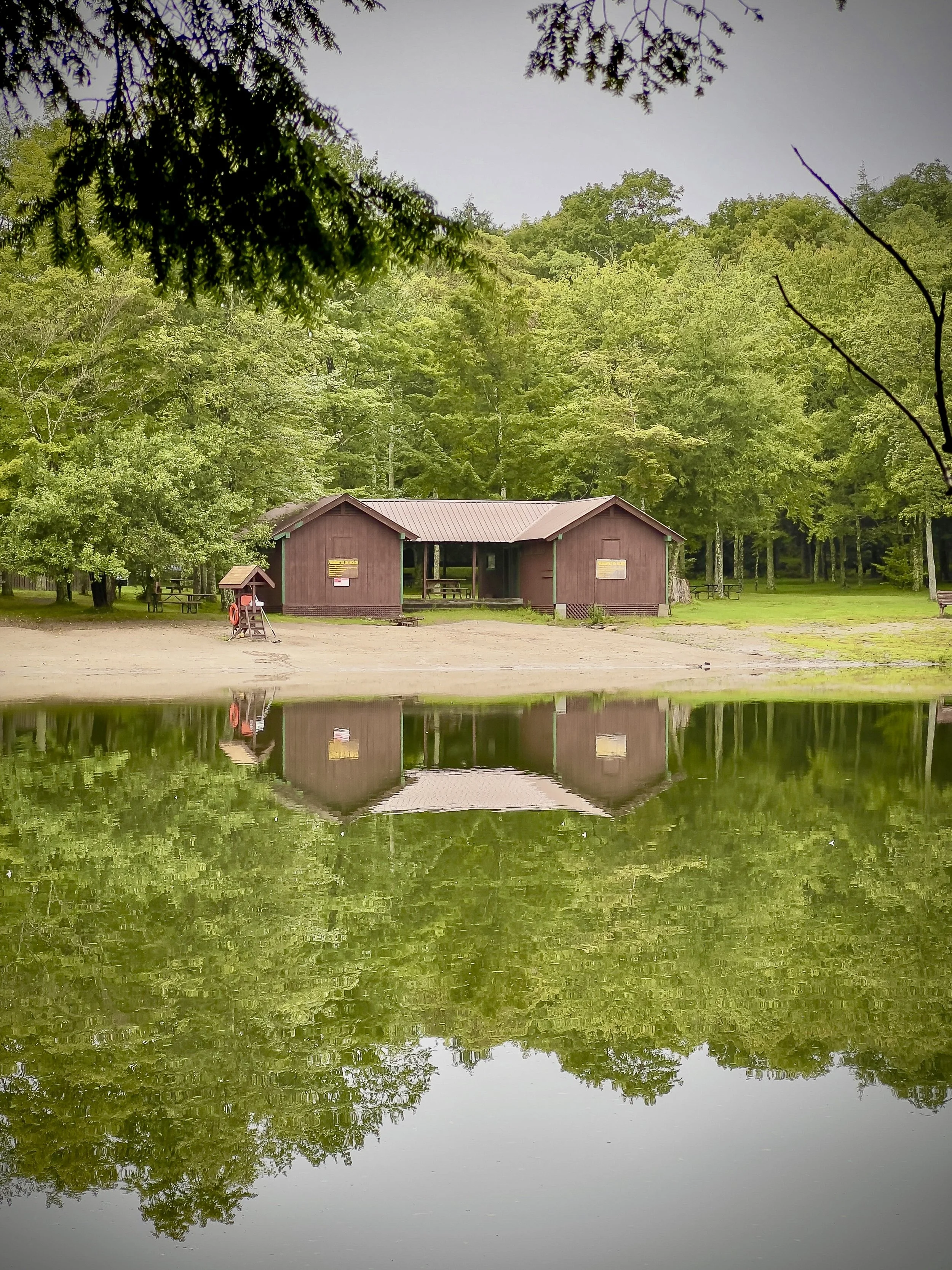
Most of the time, I'm photographing people. But every so often, I end up somewhere quiet with a camera and nothing to point it at except a tree line, a field, or a still lake — and no one to direct, pose, or wait on. Just me and whatever's actually there.
It changes how you look at things.
When there's no subject telling you where to point the camera, you start noticing what you'd normally walk past. A reflection that doubles the whole scene if the water's still enough. The way light hits one specific branch instead of the whole tree. A shape that only reads as interesting from one exact angle, three feet to the left of where you were standing.
That kind of looking doesn't turn off when I go back to photographing people. It's the same skill, pointed at a different subject. Most photographers are trained to look for the obvious shot — the smile, the pose, the moment everyone expects. Landscape work trains you to look for the thing no one else would have noticed. A hand resting a certain way. Light catching someone's eyes at an angle you'd have missed if you were rushing.
I don't think you get better at photographing people by only photographing people. You get better by learning to actually see — and sometimes that means standing in front of a lake for twenty minutes with nothing to do but pay attention.
Curious what that kind of attention looks like turned toward you or your family? Let's start the conversation.
The Photo I Almost Didn't Take
Some photos you plan. You scout the location, study the light, think about the shot before you ever lift the camera.
And then there are the ones you almost miss — because you're too busy living the moment to remember you're also the one holding the camera.
This is one of those.
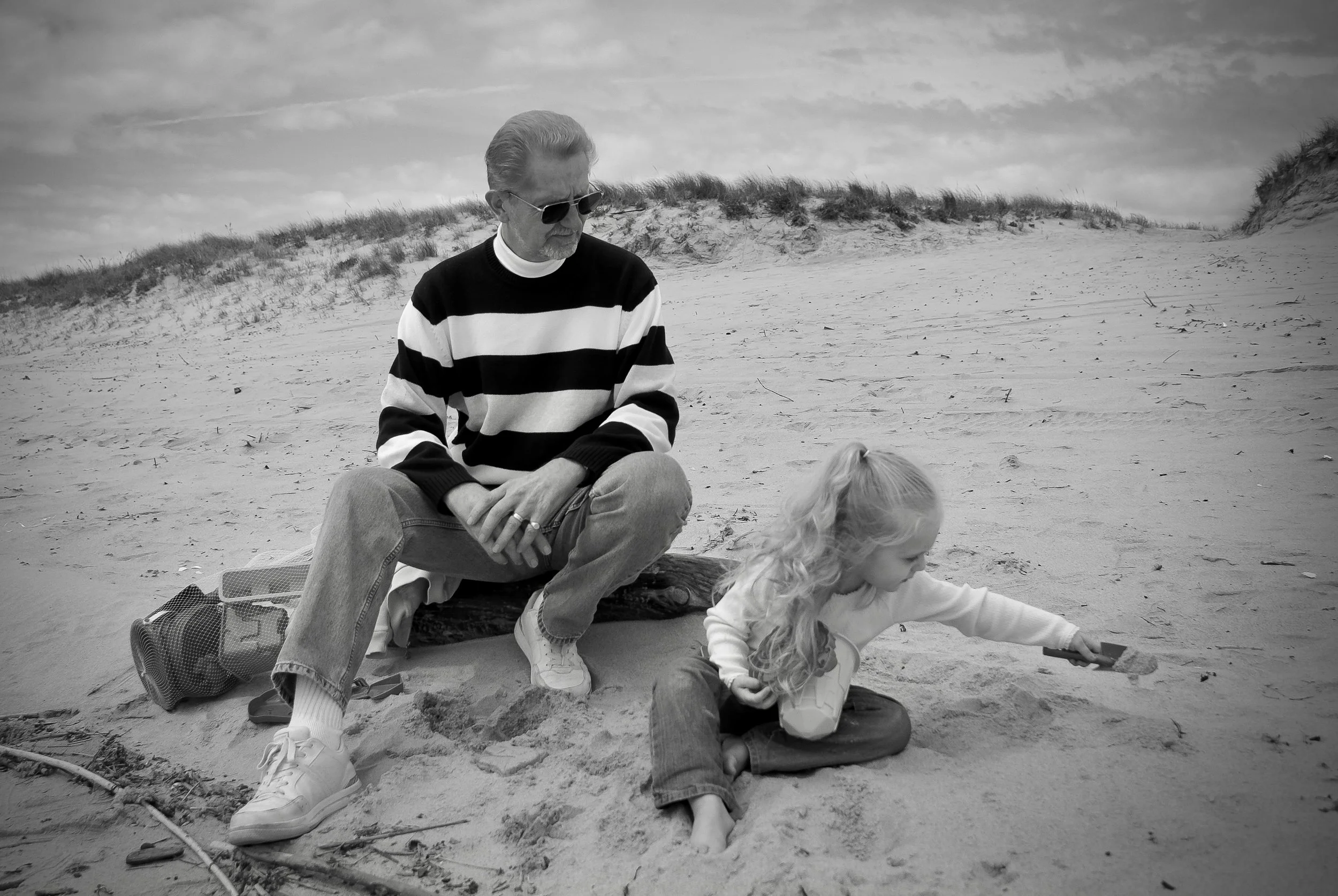
My father and my daughter, sitting together on the beach, doing nothing in particular. No one posed. No one was thinking about the photo. I just happened to have a camera in my hand, and something told me to lift it.
I didn't know, then, how much that photo would come to mean. I just knew I didn't want the moment to disappear the second it ended.
That's the part of this work people don't always think about. It's not really about the camera, or the lighting, or any of the technical things I could tell you about. It's about being the one person in the room who's paying close enough attention to catch what everyone else is too busy living to notice.
My father is gone now. That photo captures something truly special — a moment that's easy to miss entirely if you're not really looking.
That's why I do this work. Not to make things look perfect. To make sure the moments that actually matter don't just slip by unrecorded.
If there's a moment in your life you don't want to lose — I'd be honored to help you hold onto it. Let's start the conversation.
How to Prepare Your Family for Photos They’ll Actually Love
Most “how to prepare for photos” guides give you a checklist for looking perfect. This isn’t that.
Here’s what actually matters:
Skip the matching outfits. Coordinated colors, sure — a soft palette that doesn’t clash. But matching head-to-toe reads staged, and staged photos age fast. Pick pieces that feel like your family, not a catalog.
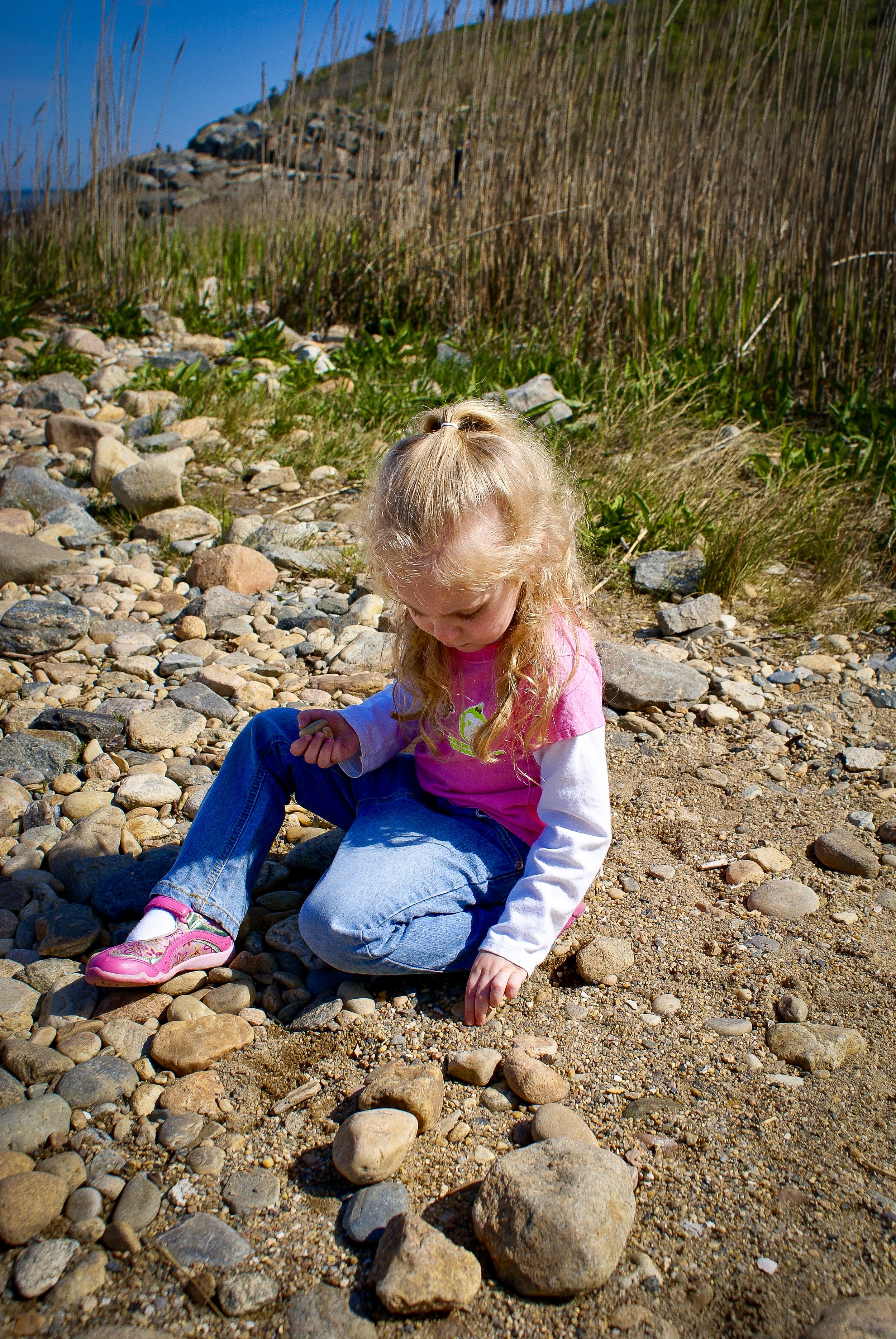
Don’t over-prep the kids. Telling a toddler to “sit still and smile” is setting everyone up to fail. Instead, let them know we’re going somewhere to play and someone will take pictures while it happens. Lower the stakes, and you’ll get better photos.
Feed everyone first. A hungry toddler is not a cooperative toddler. Same goes for parents, honestly. Eat before, not after.
Build in extra time. Sessions run smoother when nobody’s rushing from the car. Arrive 10 minutes early, and let the first few minutes just be settling in — that’s often when the best candid moments happen anyway, before anyone’s “on.”
Bring one comfort item. A favorite stuffed animal, a sibling’s hand to hold — something that makes the space feel familiar. It shows up in photos more than you’d think, and always for the better.
Let go of “perfect.” Someone will look away. Someone will make a face. That’s not a failed photo — that’s the one you’ll actually want on your wall in ten years.
If it’s been a while since your last family session — or this is your first — this is the mindset I bring to every shoot: less performance, more presence.
Ready to book? Let’s start the conversation.
What I'm Thinking Before You Ever Sit Down for a Photo
Before I ever pick up my camera for a session, there's a mindset I try to settle into — one that shapes how the whole shoot feels, long before anyone strikes a pose.
Here's the truth: I don't walk into a session with a shot list in my head. I walk in with a question — who are these people when no one's telling them how to stand?
That question shapes everything. It's why I'm not chasing perfect. I'm chasing real.
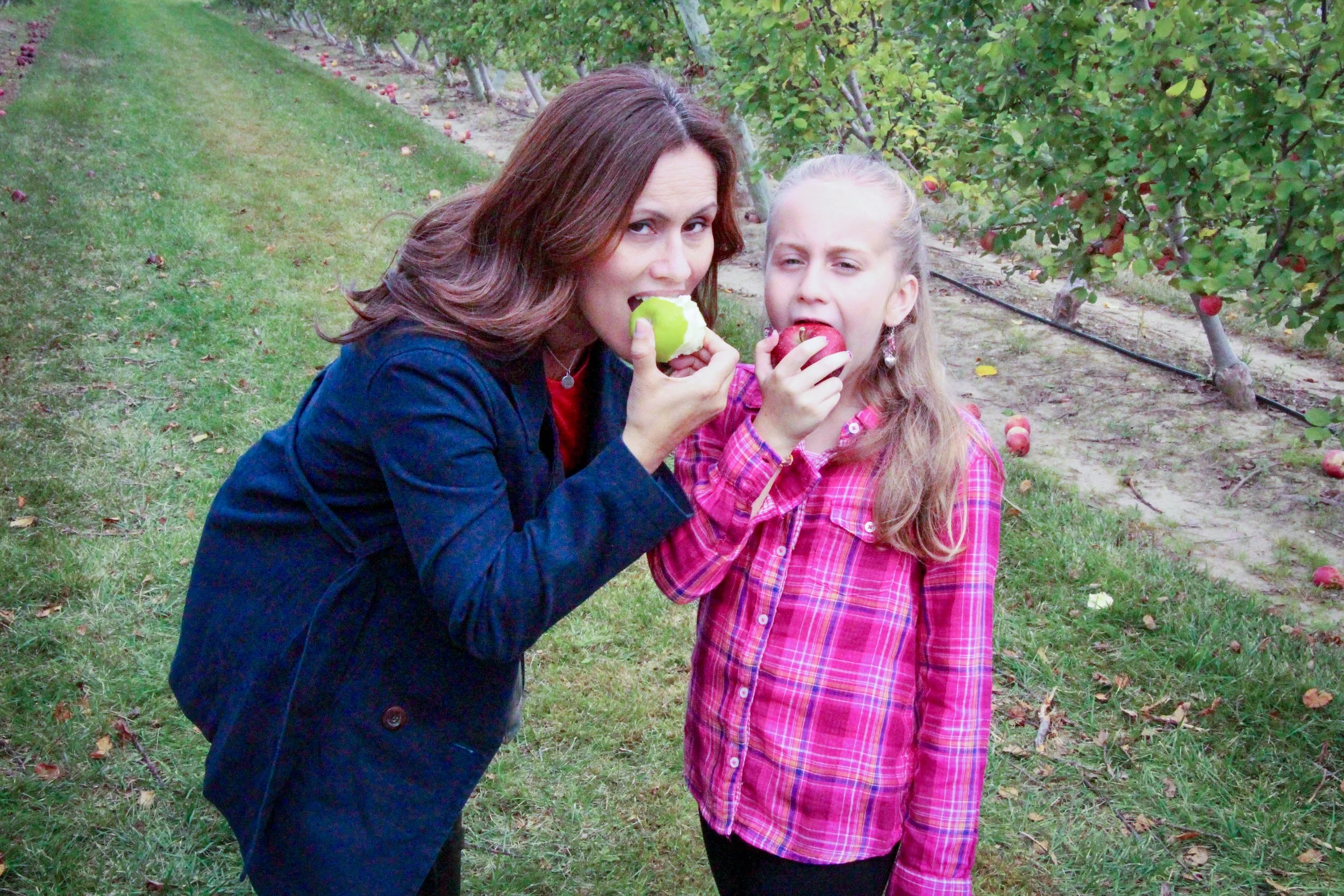
Real means kids who don't want to sit still, sitting still for exactly four seconds before they're off chasing something more interesting — and that becomes the photo. Real means the parent who's exhausted and laughing about it. Real means the couple who forgot to coordinate outfits and it doesn't matter at all. None of that is a problem to manage. It's the whole point.
Slowing down is what makes this possible. I'm not rushing anyone into a pose they'll never actually hold in real life. I'd rather spend ten extra minutes letting a family just be in a space together — talking, wandering, ignoring me a little — than force a moment that was never going to feel like them.
And "them" can look like anything. A family of five, a family of two, a blended family still figuring out its own rhythm, a solo portrait for someone who's never felt comfortable in front of a camera before. My job isn't to make any of that fit a mold. It's to notice what's already true and get out of the way of it.
So whether we've worked together before or this would be our first session, this is where my head's at. Slow down. Let the kids be everywhere. Let it be a little messy. That's usually where the best photos are hiding.
If that sounds like the kind of session you want, let's start the conversation.