
Blog
How Sports Photography Shaped the Way I Photograph Families
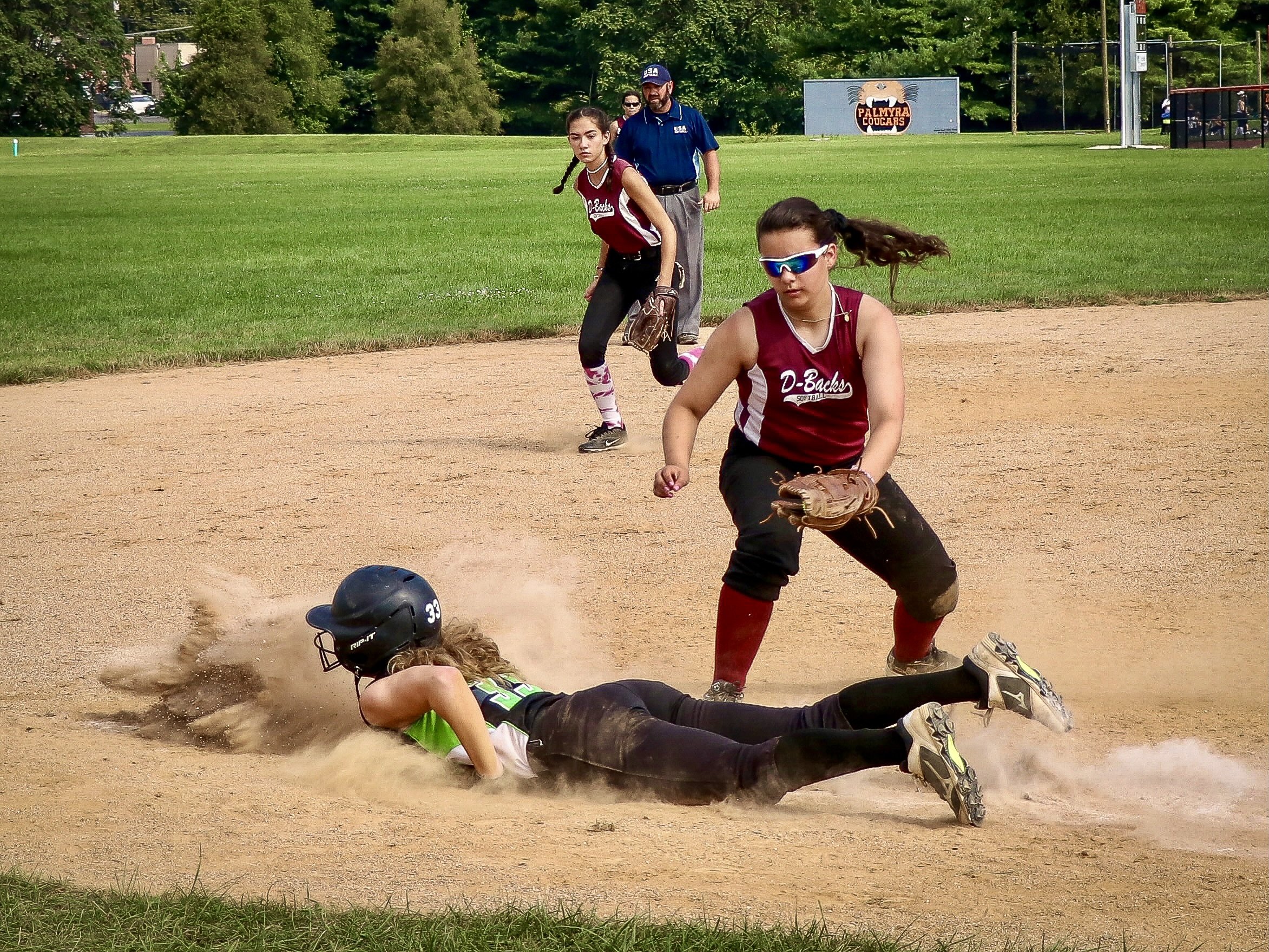
Eleven years ago, I became the default photographer for my daughter's softball team. No business. No website. Just a camera and a spot along the fence.
Then other parents asked if I'd shoot their kids' games too. Baseball, football, volleyball, eventually running. My late father introduced me to photography, but it drifted in and out of focus for years. Sports is what brought it back.
Here's what the sidelines taught me.
You can't ask for a do-over. A runner doesn't loop back to cross the line again. A swing happens once. You learn to read the moment before it arrives, so you're ready when it does.
Effort shows on a face. Nobody fakes the mile that's harder than the last one. That honesty is what I look for in every photo, on a field or off it.
The best frames aren't posed. Nobody poses a slide into home. The photo works because it's real.
Patience and speed go together. You wait, and wait, and then you have a split second.
Everything I do with families comes from that. When I'm photographing a kid who won't sit still, or a parent a second away from laughing, I'm doing the same thing: watching for the moment before it happens, and never asking anyone to repeat it.
Today most of my work is families and portraits, and I've recently added sports back into the mix. You can see recent work on my Sports page.
Whether it's a game or a family session, the job is the same: notice, wait, don't miss it.
Have a family, or an athlete in the family? Let's talk.
Photographing Kids Who Won't Sit Still
If your kid has never held still for more than four seconds, you're not behind. You're normal.
Parents often start a family session with an apology. "He won't sit still." "She'll run the other way." "We've never gotten one good photo of all of us."
Here's my answer: good. Running, crouching, digging, wandering off. That's the material.
Stop asking them to look at the camera. The "say cheese" photo is the one every kid has learned to perform. The photo you'll still love in twenty years usually has a child looking at something else entirely: a handful of sand, a dog, their own shoes.
Give them something to do, not something to pose for. Walk to the water. Find the biggest rock. Race to the tree. A kid with a job stops performing, and that's when their face does the thing you actually recognize.
Keep sessions short and let the energy lead. Kids have about forty-five good minutes in them, and some days it's twenty. I'd rather stop while everyone's still having fun than push for one more frame.
Expect a slow start. The first ten minutes are often wiggly, shy, or all behind a parent's leg. That's not a failed session. It's a warm-up.
I get down to their level and give them room. Photos shot from above make kids look small. Photos shot from where they are make them look like themselves. And a little distance means they forget I'm there.
Your calm sets the tone. Kids read their parents' stress instantly. If you're not worried about the photos, they won't be either. Let the chaos in. It's usually the best part.
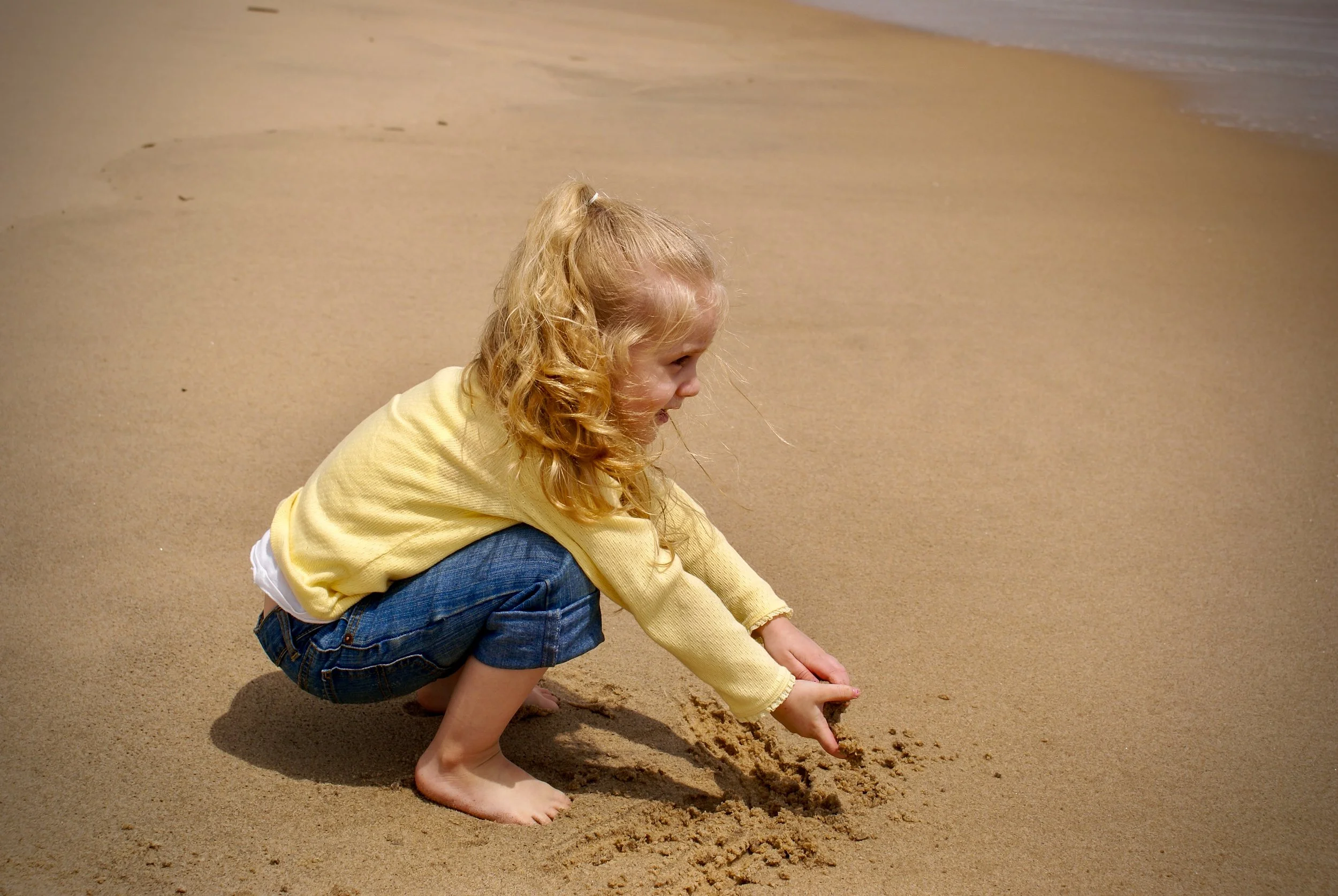
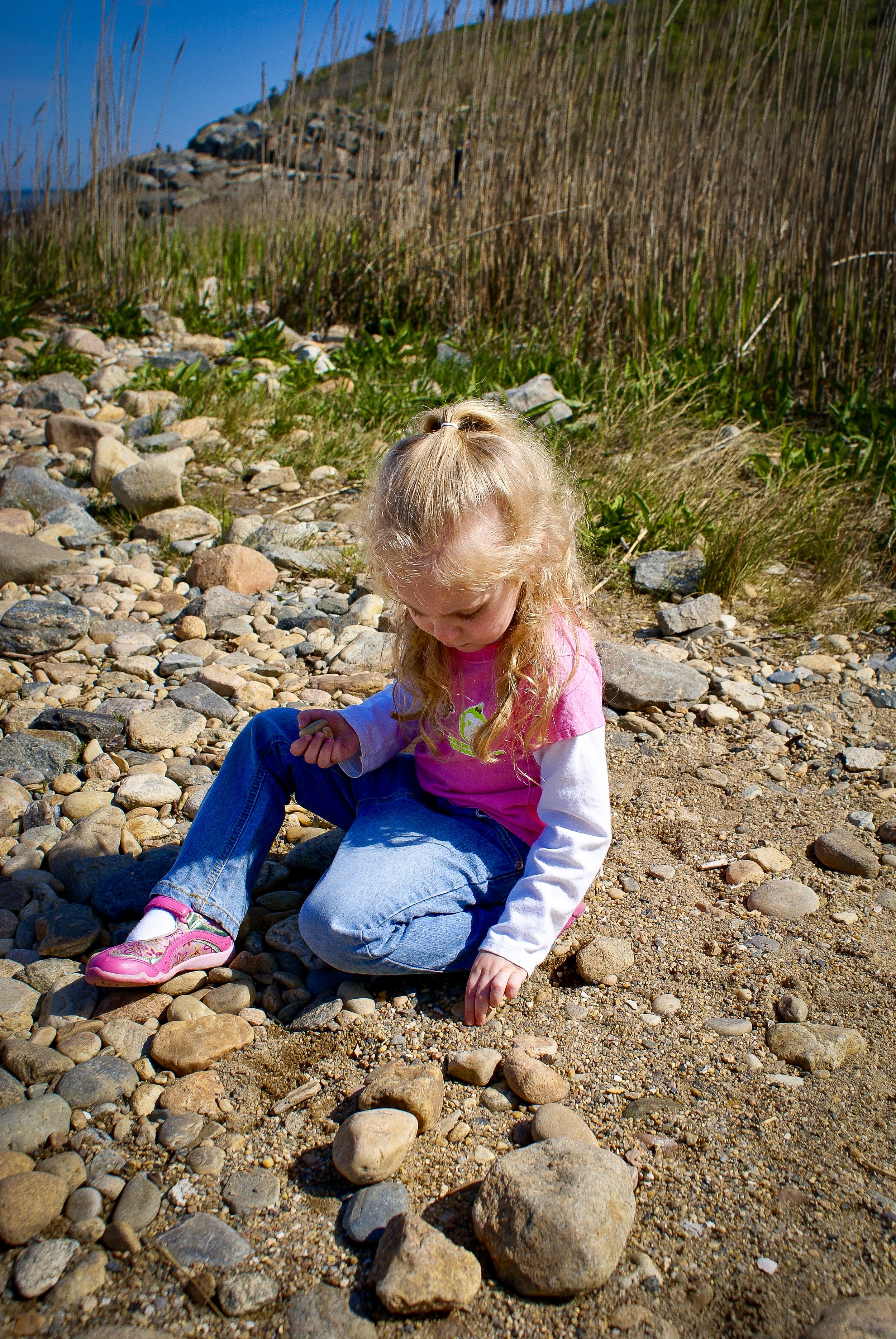
The photo at the top of this post is my daughter as a toddler, crouched in the sand, completely absorbed. She wasn't looking at me. She wasn't posing. I wouldn't trade it for a hundred smiling-at-the-lens frames.
If you've got a kid who won't sit still, you're exactly who I like photographing. Let's talk about your family.
How to Prepare for Your Personal Branding Session
You don't need a new outfit. You don't need a Pinterest board of poses. You don't need to lose five pounds or get a haircut you're not sure about yet. Most of what people think they need to "prepare" for a personal branding session is actually just nerves looking for something to do.
Here's what actually matters.
Wear what you already reach for. Not your most formal thing — your most you thing. If you feel like yourself in it, that's going to read on camera a hundred times more than anything trendy or borrowed. Bring a backup option if it helps you relax, but don't overthink the wardrobe.
Think about where you feel capable, not where you look good. Your desk. A favorite coffee shop. A hallway with good light. The spot doesn't need to be impressive — it needs to be a place where you're not performing.
Come with a job title, not a persona. You don't need to "be a brand" for two hours. You need to be the person who already does the work — talking through a project, laughing at something, thinking. That's the actual material I'm working with.
Let there be a few awkward minutes. Almost every session has a slow start — some stiffness while you get used to a camera pointed at you. That's normal, and it's not something to prep away. The good shots usually come after that, once you stop noticing me.
Don't plan every shot in advance. A short list of "must-haves" is fine — a handshake pose, a desk shot, whatever you know you need for LinkedIn. But the strongest images from most sessions are the ones neither of us planned: a real laugh, a mid-sentence look, a moment of actually thinking about the question I just asked.
The goal isn't a polished performance of professionalism. It's a photo that looks like you'd sound if someone described you in one sentence. That's what people respond to — not perfection, recognition.
Have a session coming up, or thinking about booking one? Let's talk about what you need.
What I Notice About a Family Before I Ever Pick Up the Camera
Before I take a single photo, I'm already paying attention.
How a family greets each other when they arrive. Who's holding whose hand without thinking about it. Which kid runs ahead and which one hangs back closer to a parent. The in-jokes I don't understand yet but can tell are in-jokes, from the way everyone half-laughs before the punchline even lands.
None of that shows up in a shot list. But it shows up in the photos.
That's the part of this work people don't always expect — the camera comes out second. The noticing comes first. I'm not walking in with a plan to pose you a certain way. I'm walking in trying to understand who you actually are together, so that whatever we end up capturing looks like your family and not just "a family."
Every family has a rhythm that's entirely their own — the way they tease each other, the pace they move at, who's the planner and who's along for the ride. My job is to notice that rhythm quickly enough to work with it instead of against it.
It's a strange kind of attention — quiet, a little like eavesdropping, but with warmth behind it instead of nosiness. I'm not judging what I see. I'm just trying to learn it fast enough to help it come through in the photos.
If I've done my job right, you won't even remember the moment I started paying attention. You'll just recognize yourselves in what I hand back.
Ready for a session that actually feels like your family? Let's start the conversation.
Personal Branding Photos vs. Headshots: What's the Difference
People ask this a lot, and it's a fair question — the two overlap enough to be confusing.
Here's the short version: a headshot answers "what do you look like?" A personal branding session answers "who are you, and what's it like to work with you?"
A headshot is one image. Usually a tight crop, neutral background, meant for a single purpose — a LinkedIn profile, a company directory, a bio page. It does one job well.
A personal branding session is a set of images. You in your actual workspace, mid-conversation, doing the thing you do — not just your face, but a sense of how you move through your work. It's built to be used across a website, social media, email signatures, proposals — anywhere you need to show up as a real person, not just a name.
Here's where it actually matters: if someone's only interaction with you before a phone call is a photo, a personal branding session gives them more to go on. They get a feel for your energy, your space, your style — not just confirmation that you have a face. That's a real advantage for consultants, coaches, real estate agents, and anyone whose business depends on people trusting them, specifically, before they ever meet.
Neither one is "better" — they solve different problems. A single strong headshot might be exactly what you need. But if you're building a personal brand that needs to feel like you everywhere it shows up, a full session gives you far more to work with.
Not sure which one fits what you need? Let's start the conversation.

What Landscape Photography Taught Me About Seeing
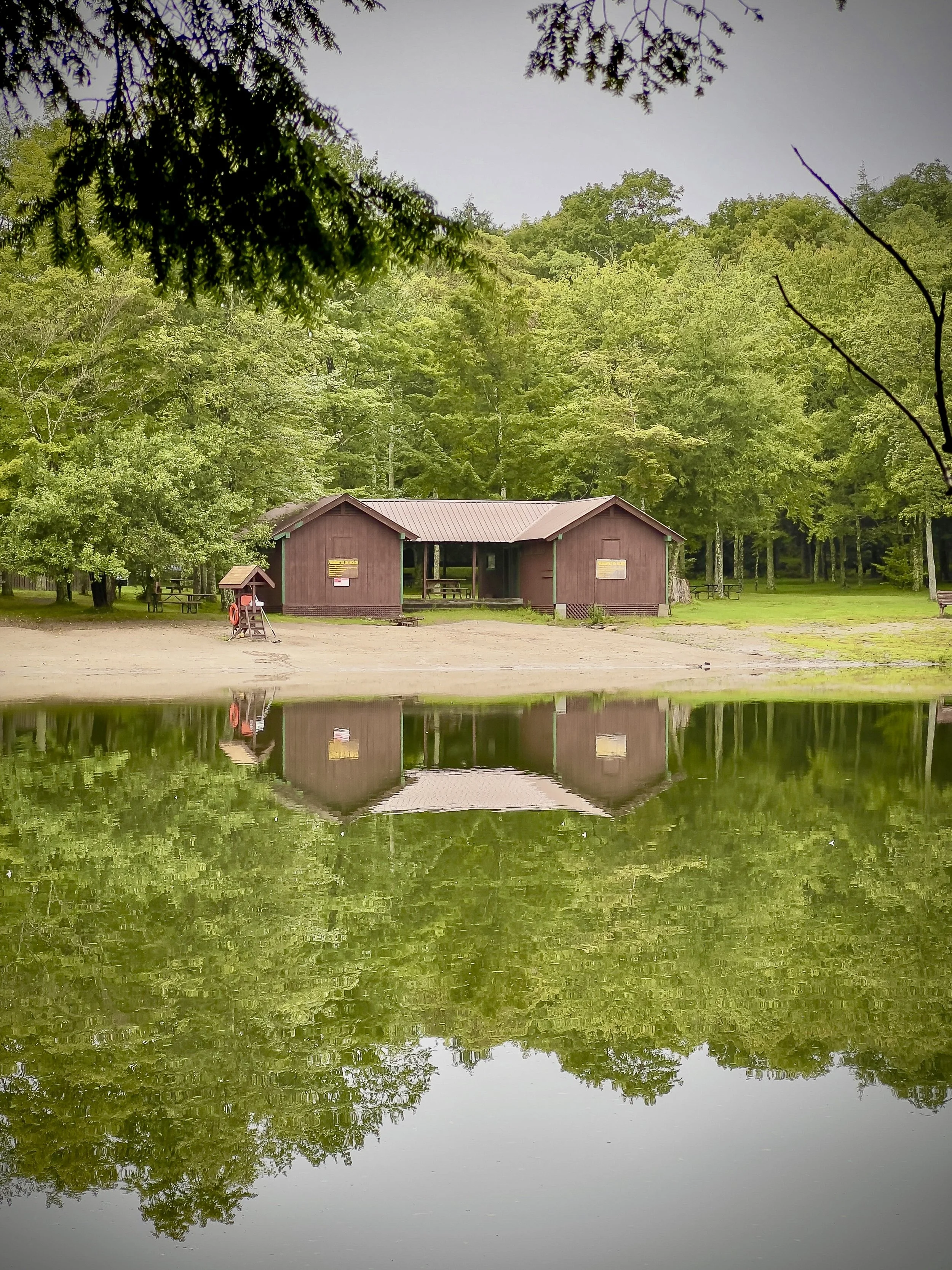
Most of the time, I'm photographing people. But every so often, I end up somewhere quiet with a camera and nothing to point it at except a tree line, a field, or a still lake — and no one to direct, pose, or wait on. Just me and whatever's actually there.
It changes how you look at things.
When there's no subject telling you where to point the camera, you start noticing what you'd normally walk past. A reflection that doubles the whole scene if the water's still enough. The way light hits one specific branch instead of the whole tree. A shape that only reads as interesting from one exact angle, three feet to the left of where you were standing.
That kind of looking doesn't turn off when I go back to photographing people. It's the same skill, pointed at a different subject. Most photographers are trained to look for the obvious shot — the smile, the pose, the moment everyone expects. Landscape work trains you to look for the thing no one else would have noticed. A hand resting a certain way. Light catching someone's eyes at an angle you'd have missed if you were rushing.
I don't think you get better at photographing people by only photographing people. You get better by learning to actually see — and sometimes that means standing in front of a lake for twenty minutes with nothing to do but pay attention.
Curious what that kind of attention looks like turned toward you or your family? Let's start the conversation.
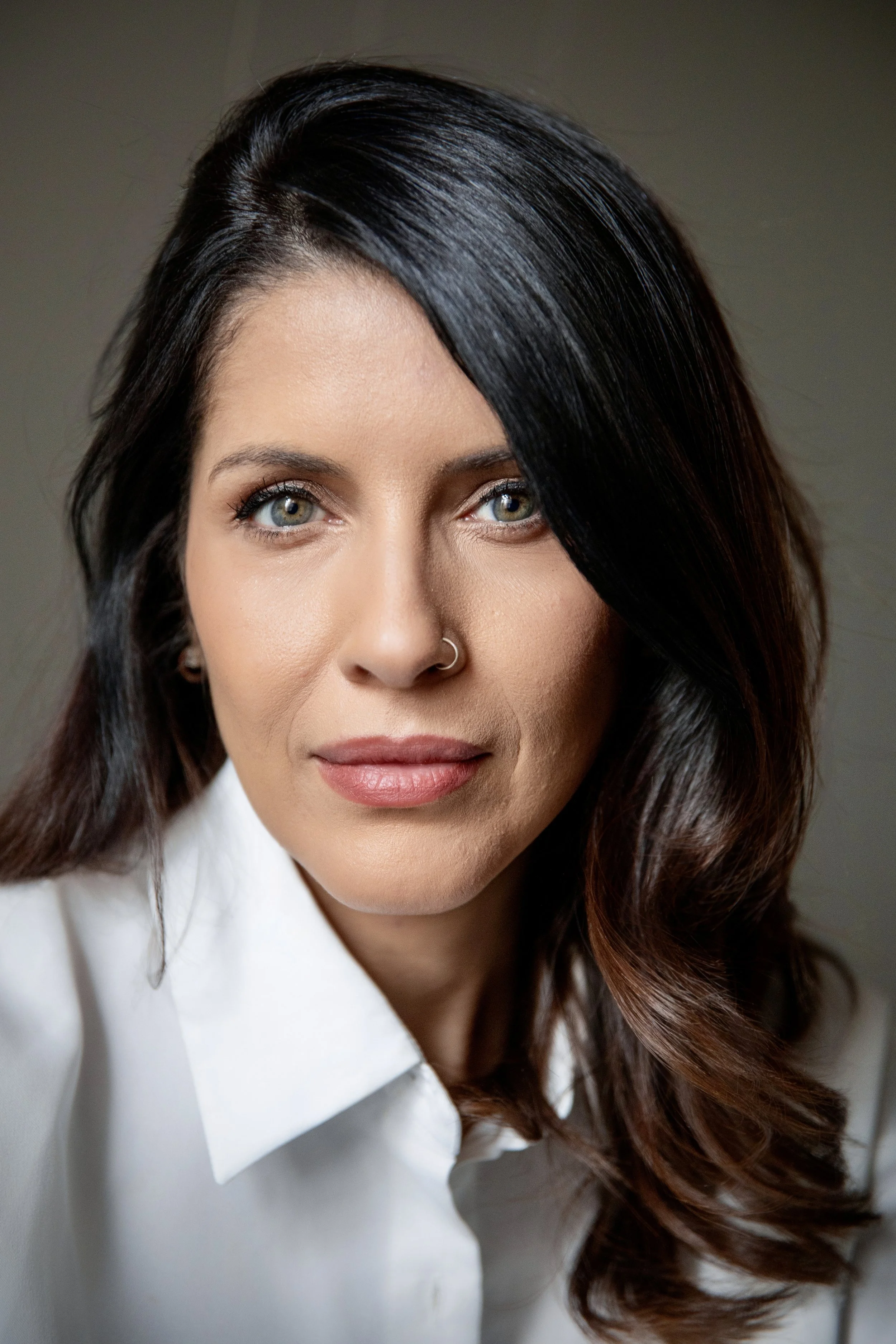
What Makes a Great Headshot
Most headshots look like proof of employment. Stiff shoulders, forced smile, a background that says "corporate," not "person."
A great headshot does something different — it looks like you, on a good day, having a normal conversation.
Here's what actually makes the difference:
Relaxed shoulders, not squared ones. Squaring up to the camera reads as defensive. A slight turn, weight shifted, feels like a person mid-thought.
A real expression, not a held one. The smile you hold for three seconds looks different from the one that happens because something made you laugh. I'd rather catch the second one.
Clothes that feel like you, not a costume. Wear what you'd actually wear to meet a client. If it's not something you'd choose on a normal day, it won't look like you in the photo either.
A few minutes of just talking first. The best shots rarely happen in the first five minutes. They happen once you've forgotten there's a camera pointed at you.
Multiple genuine options, not one "perfect" pose. A headshot session should feel more like a short conversation with photos happening throughout, not a series of instructions to follow.
A headshot's job is simple: make someone feel like they already know you before they've met you. That only works if it actually looks like you.
Ready for one that does? Let's start the conversation.
The Photo I Almost Didn't Take
Some photos you plan. You scout the location, study the light, think about the shot before you ever lift the camera.
And then there are the ones you almost miss — because you're too busy living the moment to remember you're also the one holding the camera.
This is one of those.
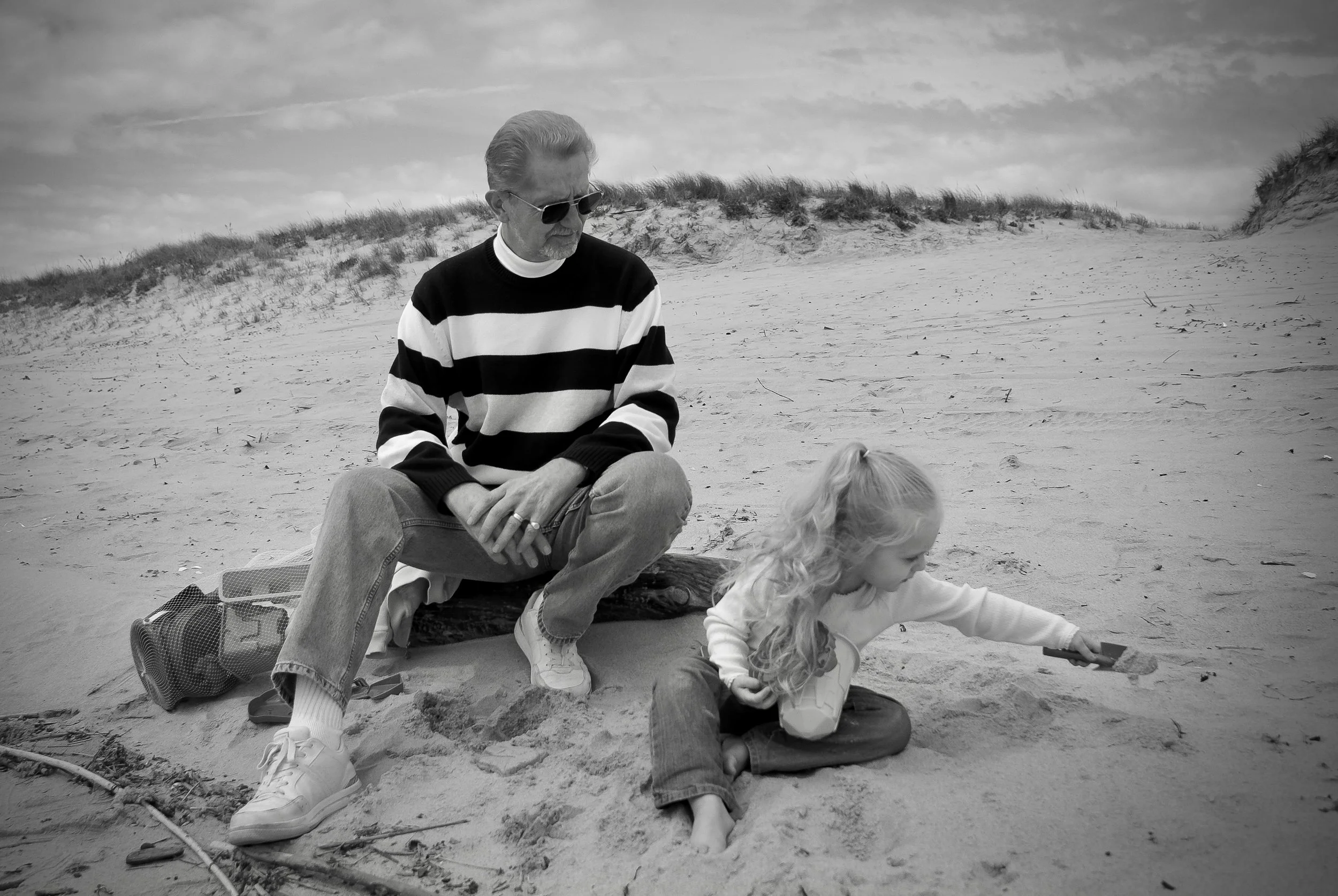
My father and my daughter, sitting together on the beach, doing nothing in particular. No one posed. No one was thinking about the photo. I just happened to have a camera in my hand, and something told me to lift it.
I didn't know, then, how much that photo would come to mean. I just knew I didn't want the moment to disappear the second it ended.
That's the part of this work people don't always think about. It's not really about the camera, or the lighting, or any of the technical things I could tell you about. It's about being the one person in the room who's paying close enough attention to catch what everyone else is too busy living to notice.
My father is gone now. That photo captures something truly special — a moment that's easy to miss entirely if you're not really looking.
That's why I do this work. Not to make things look perfect. To make sure the moments that actually matter don't just slip by unrecorded.
If there's a moment in your life you don't want to lose — I'd be honored to help you hold onto it. Let's start the conversation.
Why "Real Over Perfect" Matters More Than Ever
Everyone's feed looks flawless now. Smooth skin, perfect lighting, not a hair out of place — AI has made "perfect" cheap and, honestly, a little uncanny. Scroll long enough and it all starts to blur together.
That's exactly why I don't chase it.
Most people walk into a session thinking they want posed and camera-ready — chin up, shoulders back, everyone smiling on cue. It's an understandable instinct. But it's usually the opposite of what actually makes a good photo.
Here's the thing about posed: it photographs like what it is — a performance. You can see the effort in someone's eyes. And performance doesn't hold up over time. Ten years from now, a stiff, styled shot feels dated fast.
Relaxed is different. When someone stops performing and just exists in the space — mid-laugh, mid-thought, not watching the camera — that's when a photo starts to feel like them. Comfort reads as authenticity. And authenticity is the one thing AI-generated "perfect" can't fake.
So my job isn't to direct you into a pose. It's to create enough space that you forget I'm there, and let whoever you actually are show up in the frame.
That's not a compromise on quality. It's the whole point.
Come as you are — that's genuinely the best photo you can give me. Let's start the conversation.
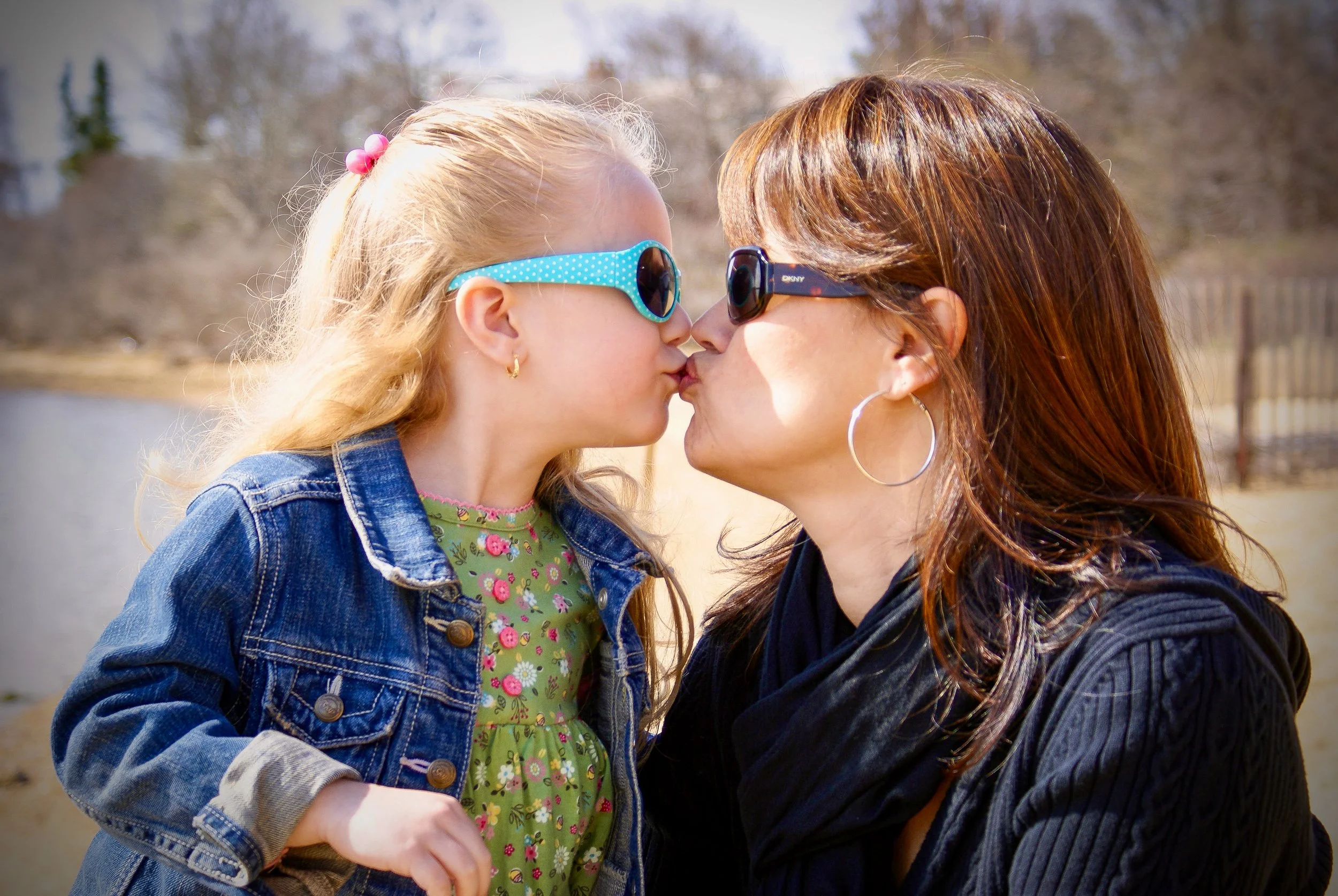
How to Prepare Your Family for Photos They’ll Actually Love
Most “how to prepare for photos” guides give you a checklist for looking perfect. This isn’t that.
Here’s what actually matters:
Skip the matching outfits. Coordinated colors, sure — a soft palette that doesn’t clash. But matching head-to-toe reads staged, and staged photos age fast. Pick pieces that feel like your family, not a catalog.
Don’t over-prep the kids. Telling a toddler to “sit still and smile” is setting everyone up to fail. Instead, let them know we’re going somewhere to play and someone will take pictures while it happens. Lower the stakes, and you’ll get better photos.
Feed everyone first. A hungry toddler is not a cooperative toddler. Same goes for parents, honestly. Eat before, not after.
Build in extra time. Sessions run smoother when nobody’s rushing from the car. Arrive 10 minutes early, and let the first few minutes just be settling in — that’s often when the best candid moments happen anyway, before anyone’s “on.”
Bring one comfort item. A favorite stuffed animal, a sibling’s hand to hold — something that makes the space feel familiar. It shows up in photos more than you’d think, and always for the better.
Let go of “perfect.” Someone will look away. Someone will make a face. That’s not a failed photo — that’s the one you’ll actually want on your wall in ten years.
If it’s been a while since your last family session — or this is your first — this is the mindset I bring to every shoot: less performance, more presence.
Ready to book? Let’s start the conversation.
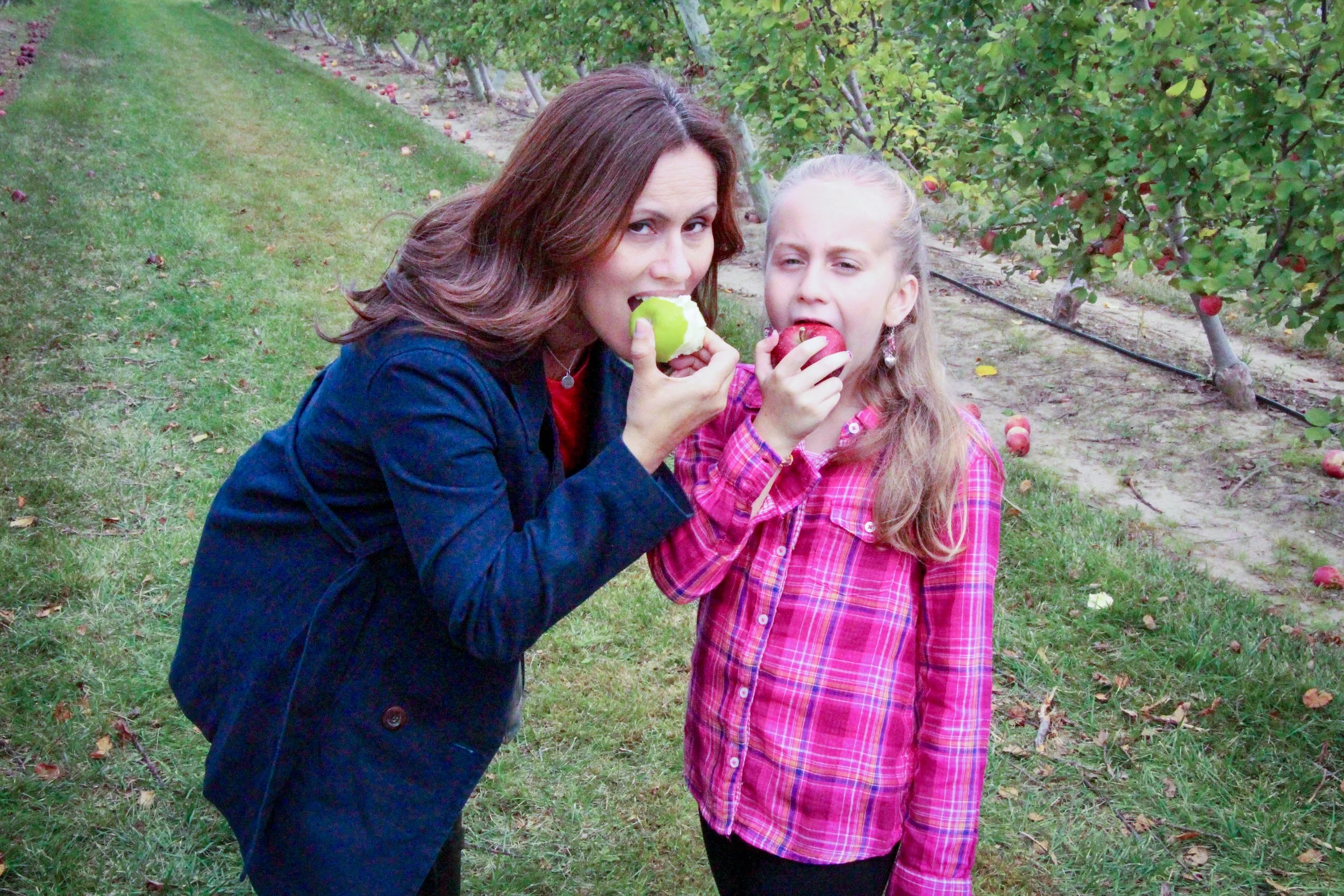
What I'm Thinking Before You Ever Sit Down for a Photo
Before I ever pick up my camera for a session, there's a mindset I try to settle into — one that shapes how the whole shoot feels, long before anyone strikes a pose.
Here's the truth: I don't walk into a session with a shot list in my head. I walk in with a question — who are these people when no one's telling them how to stand?
That question shapes everything. It's why I'm not chasing perfect. I'm chasing real.
Real means kids who don't want to sit still, sitting still for exactly four seconds before they're off chasing something more interesting — and that becomes the photo. Real means the parent who's exhausted and laughing about it. Real means the couple who forgot to coordinate outfits and it doesn't matter at all. None of that is a problem to manage. It's the whole point.
Slowing down is what makes this possible. I'm not rushing anyone into a pose they'll never actually hold in real life. I'd rather spend ten extra minutes letting a family just be in a space together — talking, wandering, ignoring me a little — than force a moment that was never going to feel like them.
And "them" can look like anything. A family of five, a family of two, a blended family still figuring out its own rhythm, a solo portrait for someone who's never felt comfortable in front of a camera before. My job isn't to make any of that fit a mold. It's to notice what's already true and get out of the way of it.
So whether we've worked together before or this would be our first session, this is where my head's at. Slow down. Let the kids be everywhere. Let it be a little messy. That's usually where the best photos are hiding.
If that sounds like the kind of session you want, let's start the conversation.
What Photography Has Taught Me About Presence and Slowing Down
Before I ever picked up a camera, I don't think I really knew how to slow down.
Photography changed that. Not because it's a slow hobby — it isn't, especially when you're chasing a toddler around a park or trying to catch a genuine laugh before it disappears. It changed it because it taught me to actually look.
There's a difference between seeing something and noticing it. Most of us move through our days seeing plenty and noticing very little. Photography forces you to stop doing that, even just for the length of a session. You start paying attention to the way light moves across a room over the course of an hour. You notice the small, specific thing that makes one person's smile different from anyone else's. You catch the half-second in between the posed moments, where something more honest is happening.
That kind of attention doesn't turn off when I put the camera down. It's changed how I move through the rest of my life too — slower, more attentive, less rushed to get to the next thing.
I think that's ultimately the real value I bring to a session, more than any technical skill. I'm not just there to take photos. I'm there to actually be present with your family, or with you, for however long we're together — noticing the things that would otherwise slip by unnoticed.
In a city that moves as fast as New York, I think that kind of presence has become rare. I try to bring it to every single session, because I think it's exactly what makes the difference between a photo that looks nice and one that actually feels true.
If that's the kind of experience you're looking for, I'd love to talk.
Liked what you read? Let's create something real together.
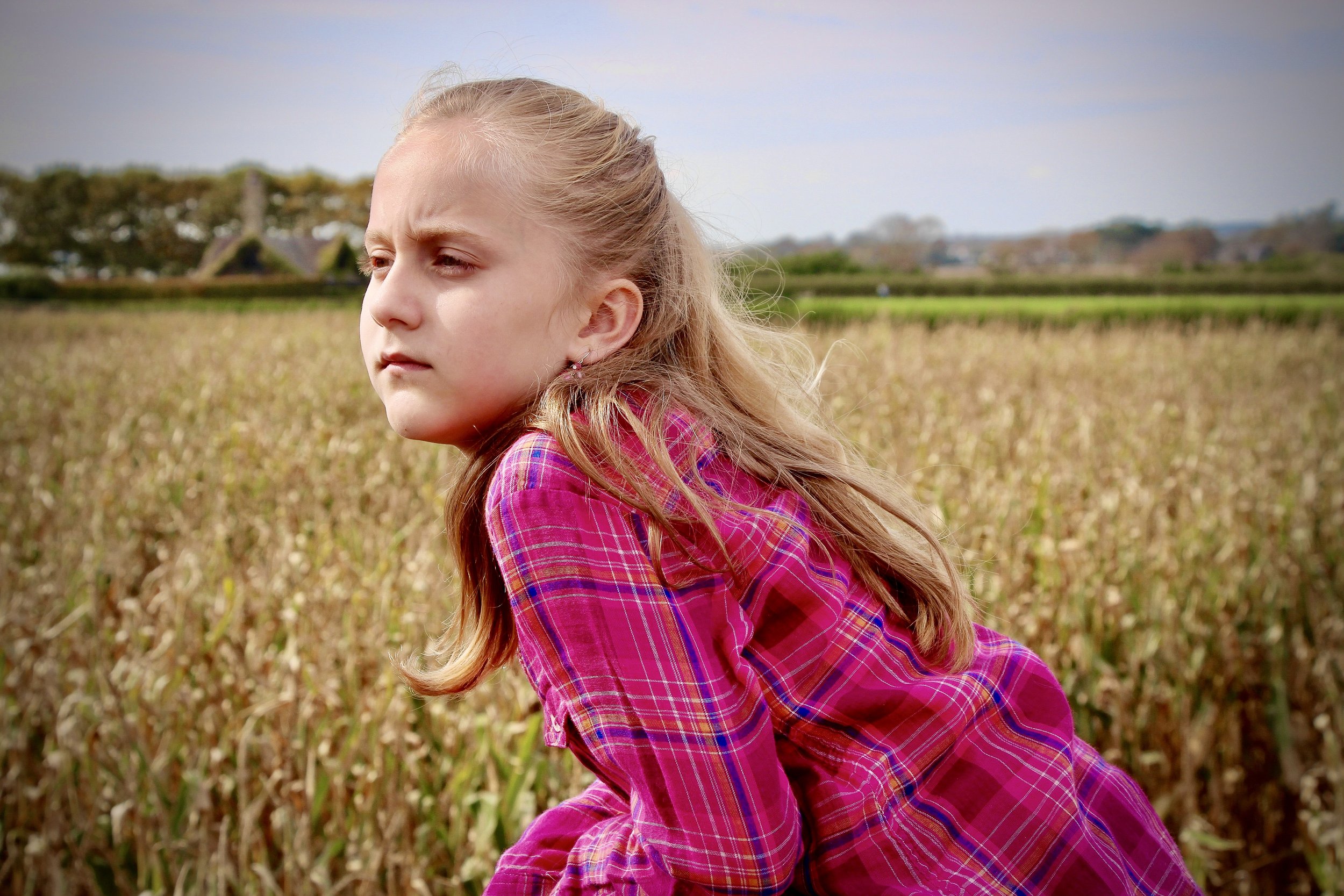
What I'm Teaching My Daughter That My Father Taught Me
My father handed me a camera and taught me how to see. Not how to compose a shot or adjust a setting — how to actually pay attention to people.
Lately, I've noticed myself doing the same thing with my daughter, without really planning to.
It shows up in small moments. Pointing out the way light hits something at a certain time of day. Pausing mid-conversation to say "wait, look at that" when nobody else would have noticed anything worth looking at. Teaching her that the interesting part of a moment is rarely the posed one — it's the one right before or right after, when everyone forgets to perform.
I don't know if she'll ever pick up a camera the way I did. That's not really the point. What matters is that she's learning to notice — the same gift that was handed to me decades ago on a mountain road, now quietly passing to the next generation without either of us really talking about it directly.
That's what I think about now every time I'm working with a family in a session. I'm not just documenting a moment for them. I'm hoping, in some small way, I'm helping them notice each other a little more closely too — the way my father taught me, the way I'm teaching my daughter.
Photography was never really about the camera. It's about attention. And attention, it turns out, is something you can pass down.
If you're looking for a photographer who wants to help your family notice each other a little more closely, I'd love to talk.
Liked what you read? Let's create something real together.
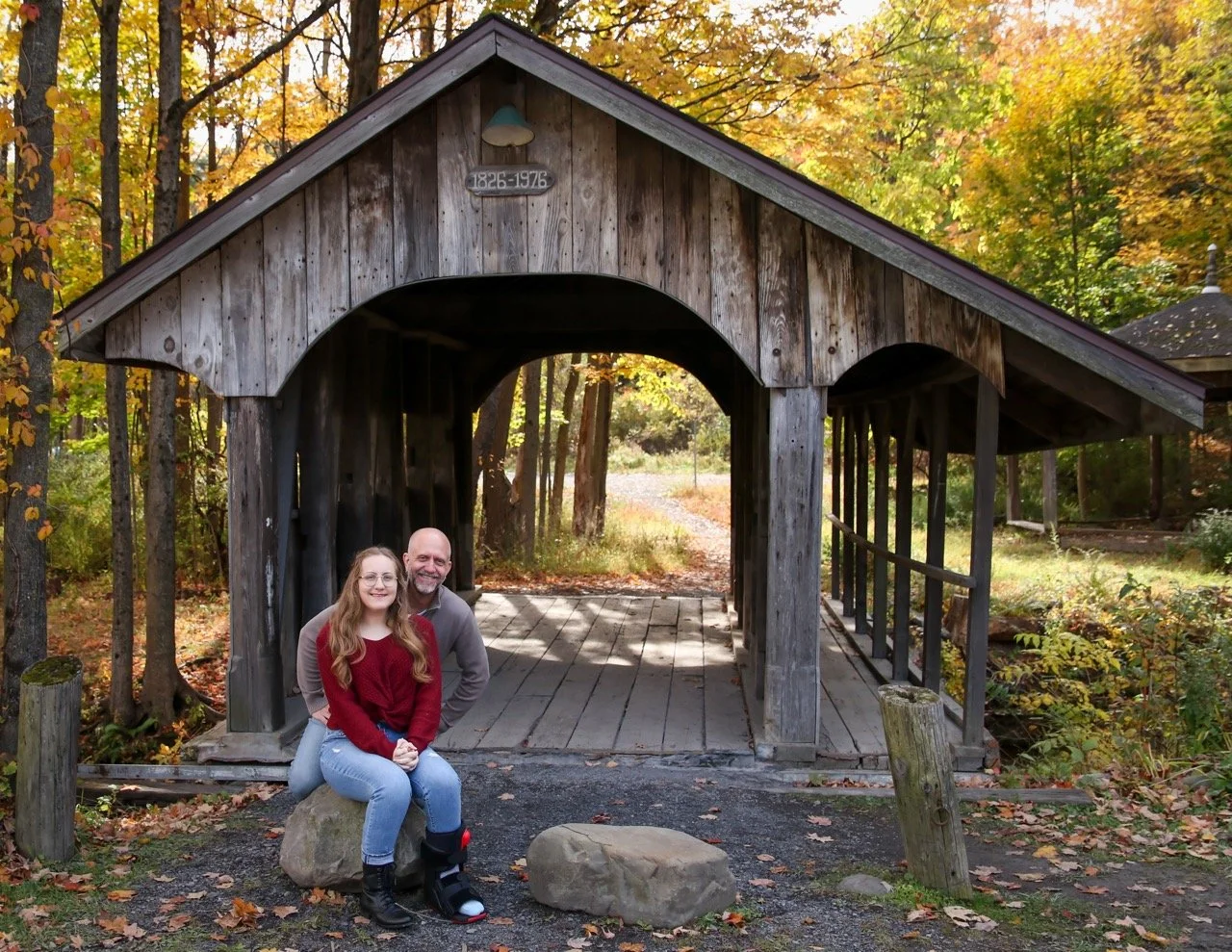
Why My Approach to Personal Branding Photography Comes From an Unexpected Place
My work has always centered on families — capturing the real, in-between moments that tell the truth about who people are. Personal branding photography for coaches, consultants, and creative professionals has become an important part of that work too.
Here's why the two fit together more than you might think.
A family photo and a branding photo have to do different jobs on the surface. One preserves a memory. The other builds trust with a stranger before a single word is exchanged. But underneath, I believe they're rooted in the exact same thing — the ability of a photograph to say something true about a person, instantly.
That belief comes from my father, who handed me a camera decades ago and taught me to notice people before I ever raised the lens. That lesson shapes every session I shoot, family or otherwise.
The branding photos that turn out best aren't the most "produced." They're the ones where my client stops performing and just starts being themselves — an unplanned laugh, a story they lean into instead of the camera. That's exactly the moment I'm always chasing, whatever kind of session I'm shooting.
I bring the same care to a branding session that I'd bring to photographing someone's family — because I think that's what makes the difference between a photo that looks professional and one that actually feels like you.
If you've been putting off updating your professional photos, or you're looking for a photographer who treats your brand photos with the same authenticity as a family portrait, I'd love to talk.
Liked what you read? Let's create something real together.
How to Choose the Right NYC Family Photographer
Choosing a family photographer isn't really about comparing portfolios side by side. It's about figuring out who's going to make your family feel comfortable enough to be themselves in front of a stranger with a camera.
Here's what I think actually matters — and it comes from my own experience, both behind the camera and growing up in front of one.
Look for someone who talks to you before they photograph you.
My own approach comes directly from how I was taught to see the world — my father handed me a camera as a kid and the first thing he taught me wasn't about settings or angles. It was about paying attention to people before you ever raise the camera. A good family photographer should want to understand your family before your session, not just show up and start shooting.
Look for real photos in their portfolio, not just polished ones.
Anyone can stage a perfect smile. What you want to see is evidence that a photographer can capture the moments in between — the genuine laugh, the kid mid-wiggle, the quiet glance between parents. That's the stuff you'll actually treasure in ten years.
Look for someone who makes room for your family's version of "normal."
Every family looks different, moves different, and has different comfort levels with a camera in their face. The right photographer adjusts to you, not the other way around.
Look for someone who's honest about the process.
A good photographer tells you what to expect — how long the session takes, what happens if your toddler melts down halfway through, how the whole thing actually feels on the day. No surprises.
And honestly? Look for someone who still remembers why they picked up a camera in the first place.
I think about my father every time I'm behind the lens. That's not a sales pitch — it's just true. The photographers who care about the why behind their work tend to bring more heart into the how.
If any of this resonates, I'd love to talk about capturing your family's story.
Liked what you read? Let's create something real together.
The Story Behind the Lens: Why I Became a Photographer
Every photographer has an origin story. Mine starts with my father.
I didn't grow up dreaming of cameras or lighting setups. Photography found me through him — through the simple act of him handing me a camera and showing me how to look at the world a little differently.
At the time, I don't think either of us realized what was actually happening. It wasn't about technique or composition. It was about attention. He was teaching me to notice things — the way light falls across a room, the expression that flickers across someone's face for just a second before they catch themselves, the moments that happen in between the moments everyone expects you to capture.
That's the real gift he gave me. Not a hobby. A way of seeing.
After he passed, photography became something different — it became a way of holding onto that way of seeing the world, even without him here to share it with me directly. Every time I pick up my camera, some part of that lesson is still present. Pause. Look closer. Notice what's actually happening, not just what's supposed to happen.
That's still exactly how I approach every single session today.
When I'm photographing a family in the park or working with a coach on their personal brand, I'm not chasing perfect lighting or perfect poses. I'm doing what my father taught me — paying attention. Looking for the real moment, the one that's actually happening, not the one that's been staged.
That's why I don't chase perfect. I chase real. It's not just a tagline. It's the whole reason I'm a photographer in the first place.
If you've been searching for a photographer who sees you — really sees you — I'd love to be that person for you.
Liked what you read? Let's create something real together.

Me as a child with my father, the inspiration behind Sean Broedow Photography
What to Expect During a Family Photo Session in NYC
Booking your first family photo session can feel a little nerve-wracking. Will the kids cooperate? Will it feel awkward? Is everyone going to end up exhausted and frustrated by the end?
Here's the truth: a great family session shouldn't feel like work. Here's exactly what to expect when you book with me.
It starts with a conversation, not a camera.
Before we ever meet up for your session, we talk. I want to know about your family's personality, what you're hoping to capture, and any details that matter to you — favorite spots, special traditions, even which kid needs a little extra patience. This isn't a formality. It's how I make sure the session actually feels like you.
There's no rigid posing.
I'm not going to line everyone up and bark instructions. Instead, I create a relaxed environment and let real interactions happen — the way your kids actually play, the way you naturally hold each other, the laughter that comes from genuine moments rather than forced ones. Some of the best photos happen in the seconds between poses, when everyone forgets the camera is even there.
Kids don't need to sit still.
This is one of the most common worries I hear from parents — "My kids won't cooperate." Here's the secret: they don't need to. Some of the most beautiful family photos come from movement, play, and a little bit of chaos. I'm there to capture those moments, not eliminate them.
We choose a location that feels like you.
Whether it's a favorite park, a meaningful spot in the city, or somewhere with personal significance to your family, the location matters. We'll talk through options during our consultation so the backdrop feels intentional, not random.
You'll feel comfortable — that's the whole point.
Comfort is what creates authentic photos. When everyone feels at ease, the real personality of your family comes through. That's always been my approach, whatever your family looks like.
After the session, you get more than photos.
You get a small piece of this exact moment in your life — preserved, real, and yours to keep for decades.
If this sounds like the experience you've been looking for, I'd love to help you create it.
Liked what you read? Let's create something real together.
5 Signs You're Ready for a Personal Branding Photoshoot in NYC
You've been thinking about it for a while. Maybe you've even bookmarked a few photographers. But something keeps holding you back — is this really the right time?
Here's the thing: there's never a perfect time. But there are clear signs that you're ready. Here are five of them.
1. Your current photos don't reflect who you are anymore. Maybe they're years old. Maybe they were taken on someone's iPhone at a party. Maybe you've grown — your business, your confidence, your style — and your photos just haven't kept up. If you cringe a little when you have to use them, that's a sign.
2. You're showing up in new places and need to make a strong first impression. A new website. A speaking engagement. A podcast appearance. A LinkedIn rebrand. Whenever you're stepping into a bigger arena, your photos need to show up with you.
3. You're attracting clients — but you want to attract better clients. The right personal branding photos don't just get you seen. They get you seen by the right people. When your images reflect your true value, they quietly filter in your ideal clients and filter out the ones who aren't a fit.
4. You've been DIY-ing your brand photos for too long. There's nothing wrong with starting scrappy. But at some point, your photos should match the level of work you're actually doing. If your business has outgrown your current images, it's time.
5. You feel ready to be seen — really seen. This is the big one. Personal branding photography isn't just about looking good. It's about showing up authentically and letting the right people find you. When you feel ready to step into that — you are.
If you nodded along to even two or three of these, you're more ready than you think.
Liked what you read? Let's create something real together.
What Makes a Great Personal Branding Photo (And Why It's Not About Looking Perfect)
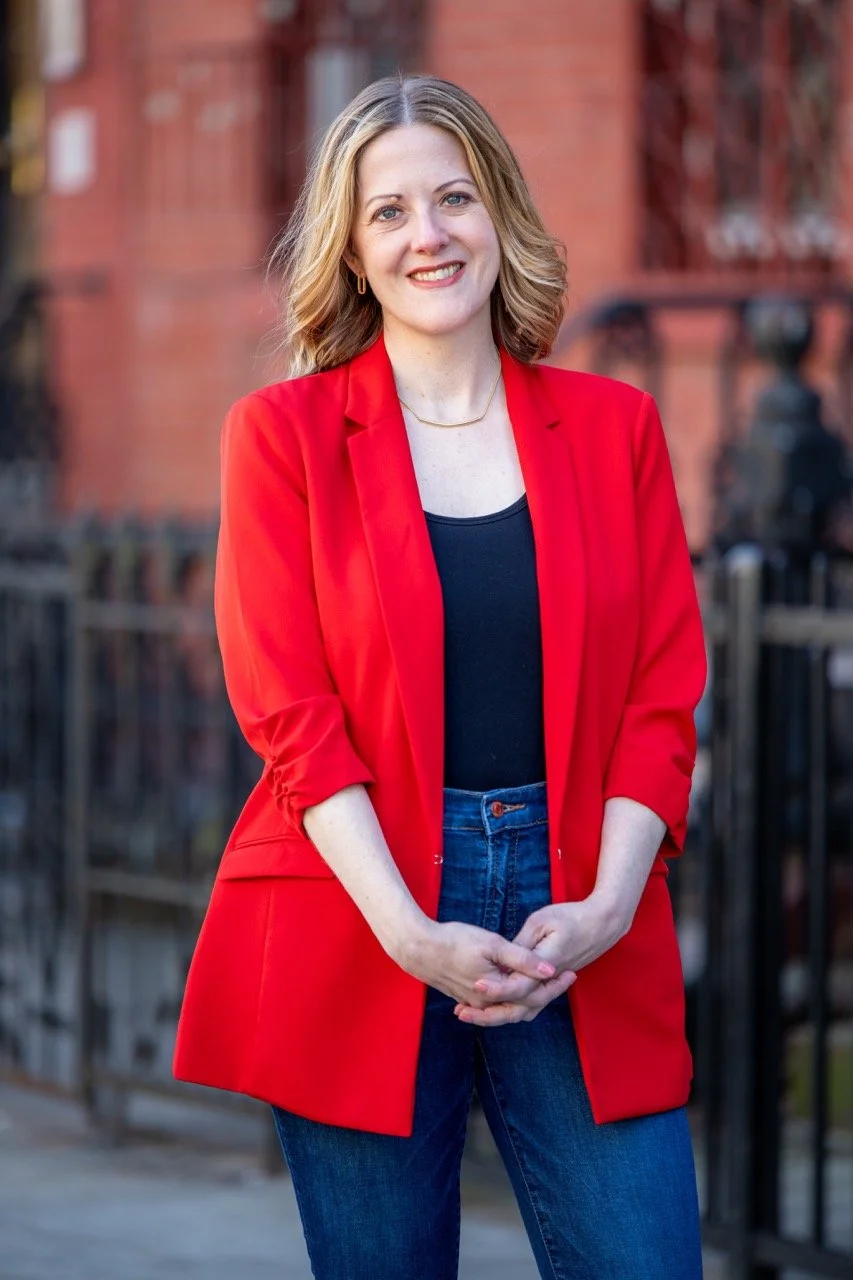
Most people think a great personal branding photo is about looking polished. The perfect outfit. The perfect backdrop. The perfect expression.
It's not.
The best personal branding photos aren't the ones where you look flawless. They're the ones where you look like you — confident, approachable, and real. The ones that make someone stop scrolling and think: I want to work with that person.
That's a feeling. And feelings don't come from perfection. They come from authenticity.
What actually makes a great personal branding photo:
Connection over composition. The technical elements matter — light, framing, focus — but they're in service of something bigger. What makes a photo work is whether the person in it feels present and genuine. You can have a beautifully composed shot that feels completely empty. And you can have a simple, honest image that stops people in their tracks.
Confidence, not performance. There's a difference between someone performing confidence and someone who actually feels at ease. Viewers can feel it. That's why every session I do starts with a conversation — not a camera. When you feel comfortable, your natural confidence shows up on its own.
Photos that reflect your brand, not a template. Your personal brand is specific to you — your personality, your clients, the way you show up in your work. Great branding photos aren't interchangeable. They're distinctly yours.
The in-between moments. Some of the strongest personal branding images come from the moments between poses — a genuine laugh, a thoughtful glance, a natural shift in posture. Those are the moments that feel human. And human is what connects.
Here's the truth: people hire people they trust. And trust is built through authenticity long before the first conversation ever happens. Your photos are often someone's very first impression of you — make sure they're telling the right story.
Not a perfect story. Your story.
Liked what you read? Let's create something real together.
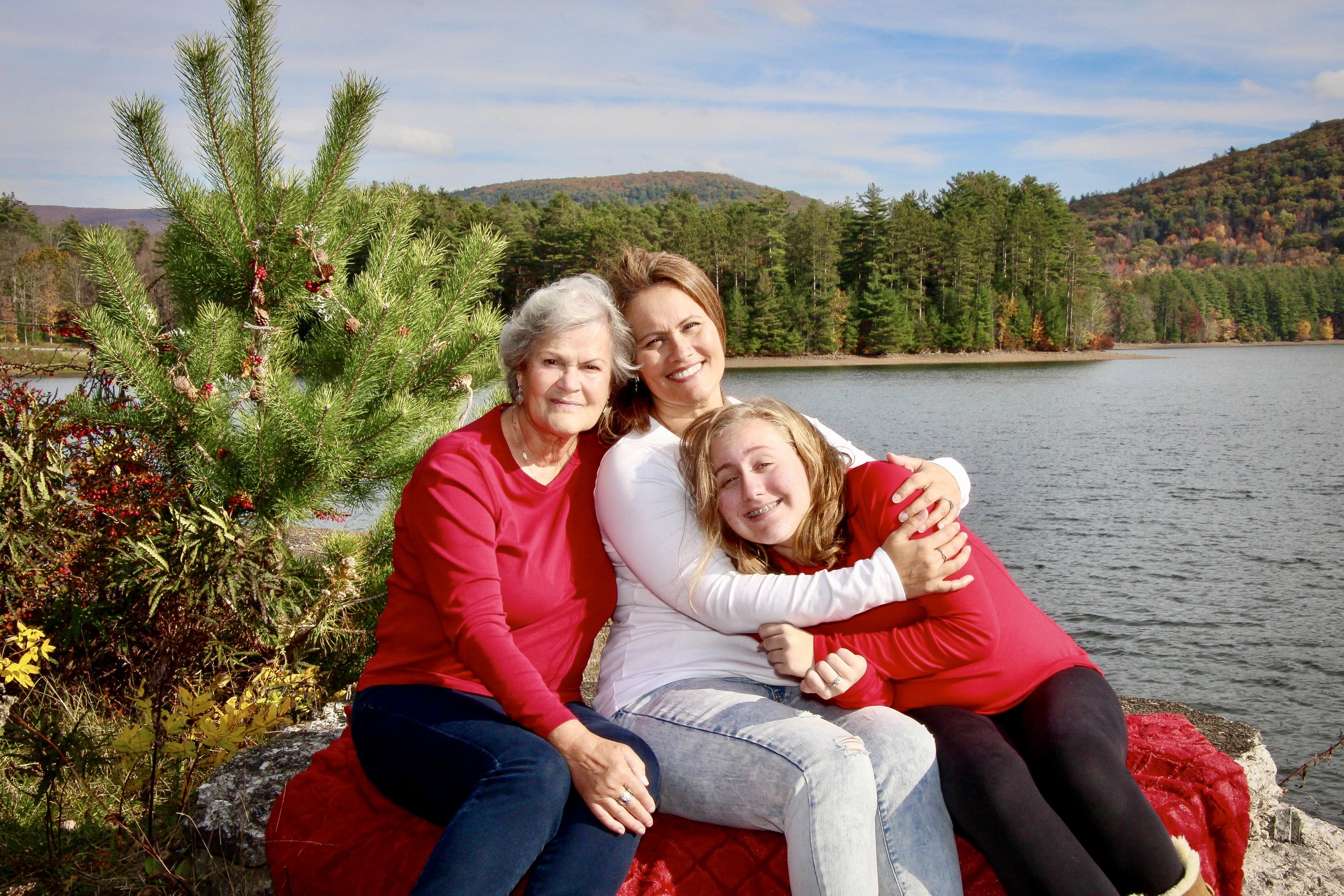
Why Every Family Has a Story Worth Capturing
You don’t need a special reason. Your life already is one.
You don’t need a special reason. Your life already is one.
Every family has a rhythm, a connection, a story unfolding every day.
That’s enough.
Liked what you read? Let's create something real together.